Navigating The Washington Crossing Housing Market As A Buyer
Steven Dome May 14, 2026
Steven Dome May 14, 2026
If you’re thinking about buying in Washington Crossing, you’re not stepping into a typical suburban market. This is a small, high-priced pocket of Bucks County where inventory stays tight, preserved land shapes value, and each home can come with a very different mix of age, acreage, utilities, and risk factors. The good news is that when you understand how this market works, you can shop smarter, write stronger offers, and avoid expensive surprises. Let’s dive in.
Washington Crossing is a premium submarket with a limited number of available homes. Realtor.com’s April 2026 snapshot showed just 18 homes for sale, with a median listing price of $887,000 and median days on market of 29. Active listings were also down 31.25% year over year, while list prices were up 5.97%.
Redfin’s March 2026 data for ZIP code 18977 told a similar story on supply and pricing, even though the timing and methodology differ. It reported a median sale price of $885,000, only 5 homes sold, median days on market of 80, and a 98.7% sale-to-list ratio. Put simply, buyers are not looking at a broad bargain market.
Compared with broader Bucks County pricing, Washington Crossing stands out as a more expensive pocket. That means you need to be prepared for fewer choices, less room for error, and a buying process where details matter just as much as price.
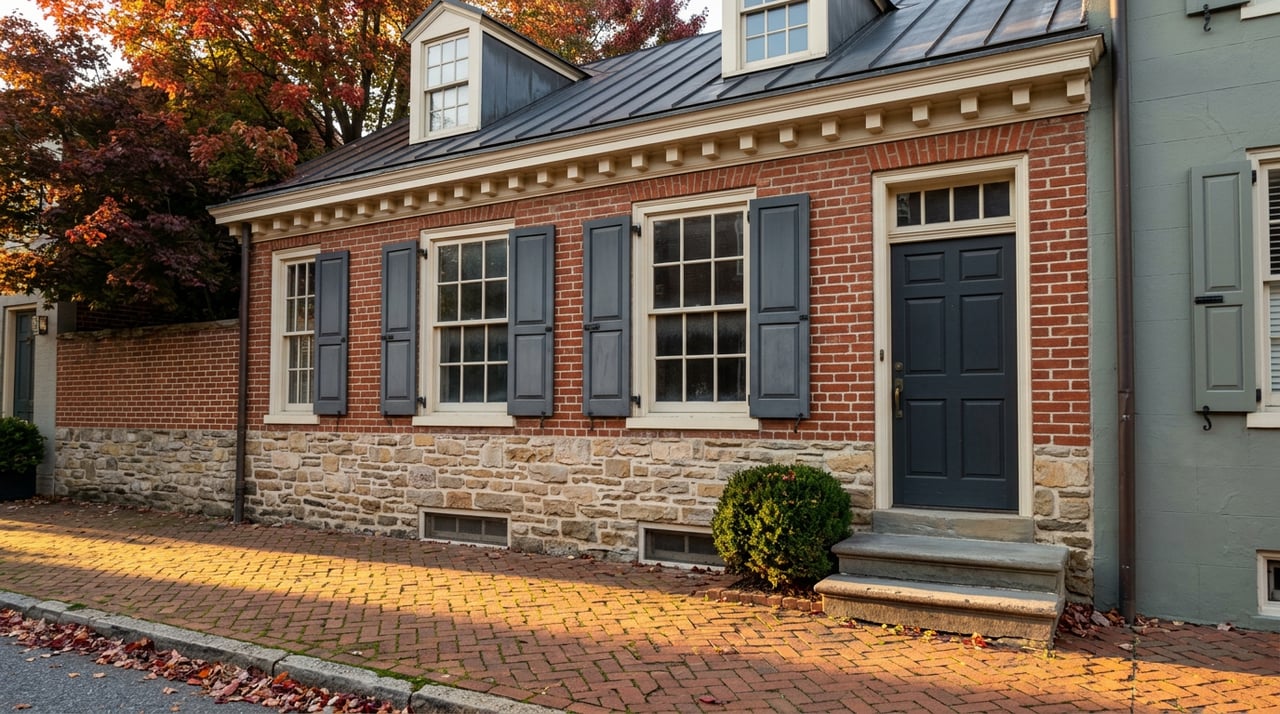
Washington Crossing sits within Upper Makefield Township, an area known for its historic landscape and open space. Washington Crossing Historic Park is a National Historic Landmark, and the township notes that the area includes a mostly rural residential district with 64 contributing buildings, many dating from 1800 to 1875.
That setting does more than create character. Upper Makefield reports that more than 38% of township land, or about 5,000 acres, has been permanently preserved. Preservation priorities include scenic viewsheds, farmland, and recreational open space, which helps explain why privacy, lot size, and surrounding setting often carry real value here.
Upper Makefield also says growth has slowed dramatically since 2000 because of land preservation and near build-out. For buyers, that helps explain why inventory can remain limited even when demand shifts. In practical terms, you may need patience while waiting for the right property to come to market.
Township residents have access to Washington Crossing Historic Park, Delaware Canal State Park, Bowman’s Hill Wildflower Preserve, and miles of biking and walking paths. Homes that offer privacy, views, or proximity to preserved land may command stronger pricing because of that setting. This is one reason two homes with similar square footage can still feel far apart in value.
Washington Crossing inventory is not uniform, and that matters when you compare homes. The current 18977 listing pool includes homes built in 1725, 1970, and 1985, along with large-acreage estates and land-only parcels.
That kind of range means your search may include very different property types under the same location label. One home may offer historic charm and older systems, while another may offer more modern construction but less land or a different setting. You need to evaluate each property on its own facts rather than assume all Washington Crossing homes follow the same pattern.
In a market like this, the list price is only the starting point. Redfin classifies the ZIP as somewhat competitive, with average homes selling about 1% below list and hot homes about 1% above list.
That spread tells you something important. Not every home will trigger a bidding war, but well-positioned homes can still attract fast interest. If a property has a strong setting, usable acreage, appealing design, or fewer condition concerns, you may need to act quickly and write clean terms.
A careful value read matters here because pricing often reflects more than square footage. Historic character, privacy, preserved surroundings, lot usability, and utility setup can all affect what a home is truly worth to you.
A contingency is a condition that must be met before the purchase can move forward. Common contingencies include financing, appraisal, inspection, title, homeowners insurance, HOA review, and terms related to selling or closing another home.
In Washington Crossing, a competitive offer is not always just the highest number. Because inventory is limited but the housing stock varies so much, a clean offer with smart, well-timed contingencies can often put you in a stronger position than a rushed offer that misses key risks.
If you are financing your purchase, the appraisal contingency plays an important role. The lender arranges the appraisal, and if the appraised value comes in below the purchase price, you may need to renegotiate, bring more cash to closing, or rely on your contract terms to walk away.
That matters in a premium market where unique homes can be harder to compare. A property with acreage, historic features, or a special location may justify pricing, but you still want a strategy in place if the appraisal does not align with the contract price.
Inspection contingencies give you time to understand the home’s condition. Inspections can cover structure, roof, plumbing, electrical, HVAC, insulation, ventilation, fireplaces, and in some cases mold, radon, lead paint, or asbestos.
Some buyers waive inspections in competitive markets, but that comes with added risk. In Washington Crossing, where homes can vary widely in age and systems, a careful inspection plan is often one of the smartest parts of your offer strategy.
One of the biggest local details buyers should confirm early is utility type. Upper Makefield says only a small number of homes have public water and sewer, which means most homeowners rely on well water and onsite septic systems.
That does not make these properties less desirable, but it does change your due diligence. You should confirm utility status early, understand your maintenance responsibilities, and factor ongoing care into your budget and ownership plan.
Washington Crossing can be especially appealing if you love historic homes or properties with architectural character. At the same time, older homes deserve a more detailed review because age can affect drainage, wiring, HVAC, and other major systems.
If the home was built before 1978, federal lead-paint disclosure rules apply. It is also important to remember that an "as-is" sale does not mean the home is problem-free. It means the seller is not promising repairs, so your inspection and contingency planning become even more important.
Flood diligence should be part of every Washington Crossing home search. Redfin, using First Street data, says 30% of properties in 18977 face severe flood risk over the next 30 years.
FEMA’s Flood Map Service Center is the official source for flood-hazard mapping, and federally backed loans in Special Flood Hazard Areas require flood insurance. Before you fall in love with a property near the river or low-lying land, confirm the flood-zone status, insurance implications, and how that risk fits your comfort level and long-term costs.
If you want to buy confidently here, it helps to stay disciplined. This market rewards buyers who are prepared, flexible, and careful with details.
Here is a practical approach:
Buying in Washington Crossing is often about matching your goals to a very specific property, not picking from a long list of similar options. The more clearly you understand your must-haves and trade-offs, the better your decisions will be.
A local guide can make a real difference in that process. In a market where value can shift based on historic setting, preserved land, condition, and utility setup, having someone who can help you read the details, spot questions early, and negotiate with care can save you time and stress. If you’re thinking about buying in Washington Crossing, Steven Dome can help you navigate the market with clear advice and hands-on support.
August 20, 2026
August 13, 2026

August 12, 2026
August 12, 2026
August 12, 2026
August 9, 2026
August 8, 2026
August 6, 2026
August 3, 2026
Get assistance in determining current property value, crafting a competitive offer, writing and negotiating a contract, and much more. Contact me today.
Contact me to learn more.

550 Union Square Drive New Hope, PA 18938