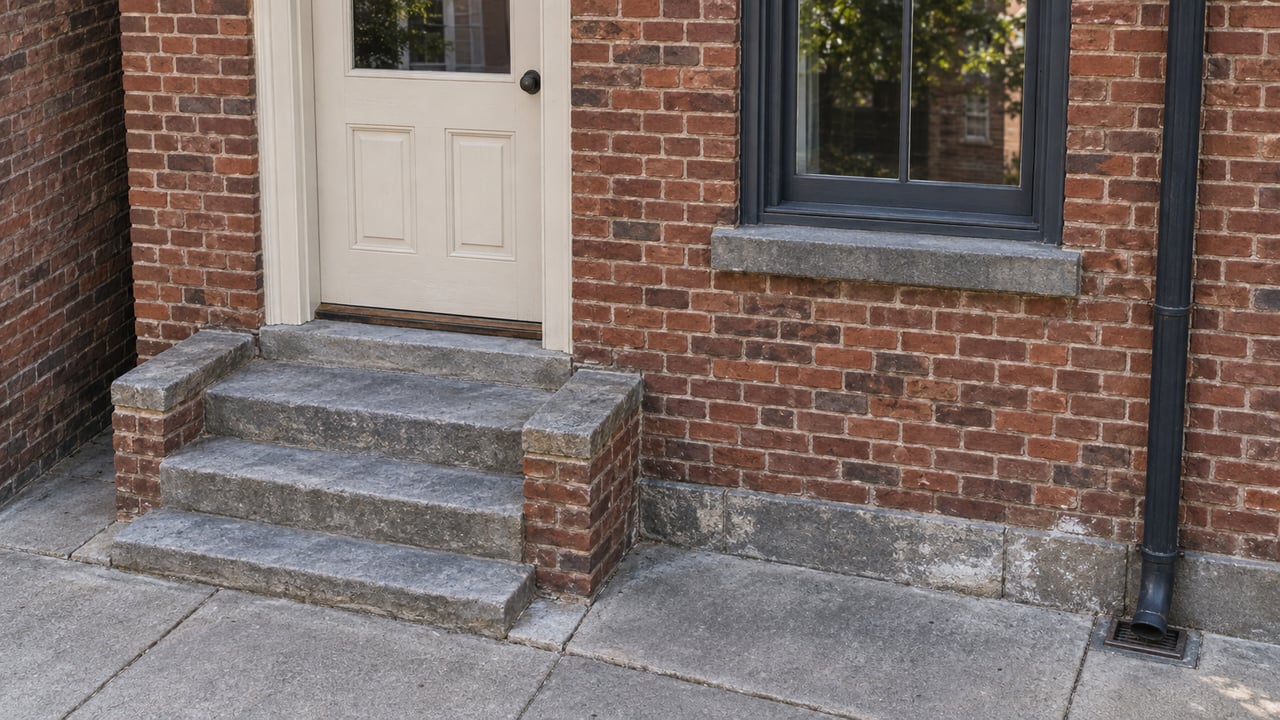
The Other Inspection Every Doylestown Borough Sale Requires
October 1, 2026
October 1, 2026
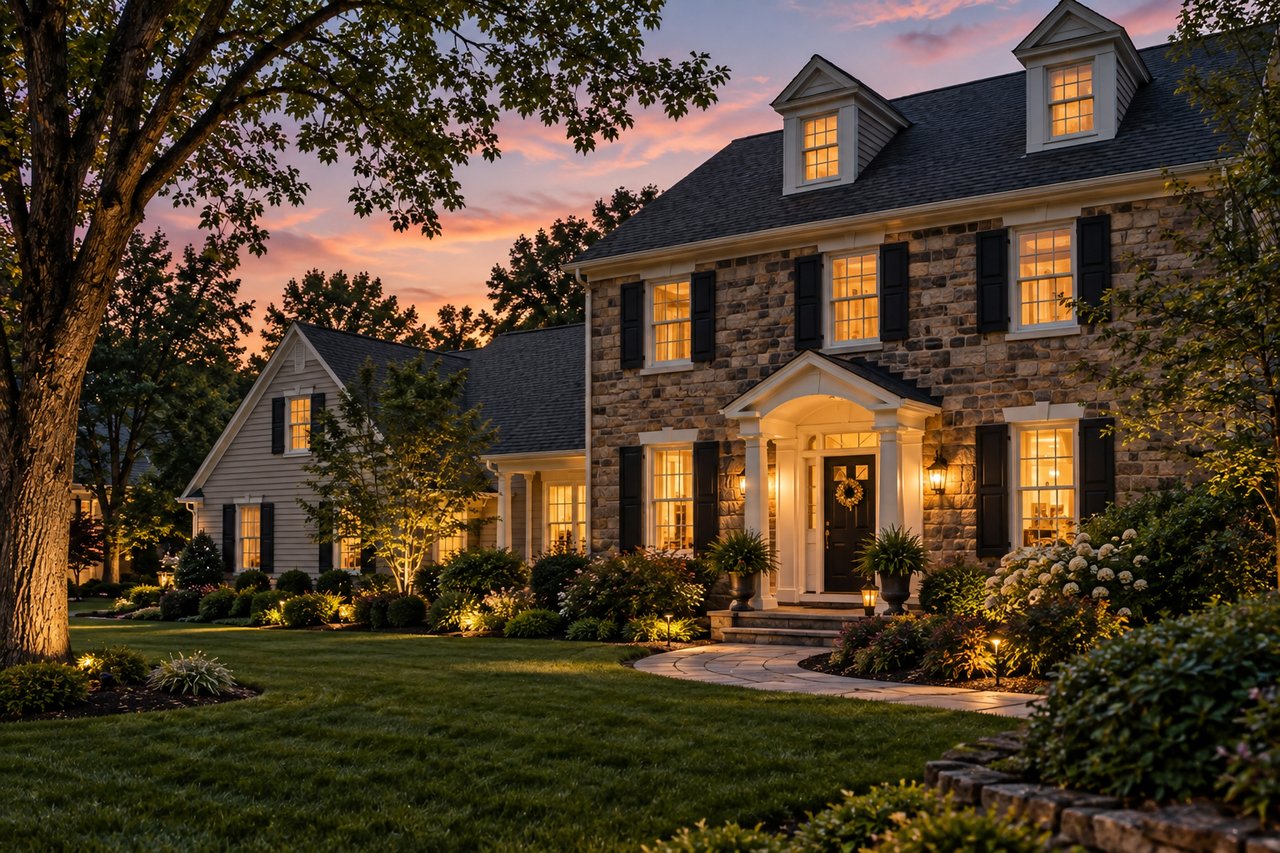
A buyer under contract on a stone-front colonial near Pine Street schedules a private inspector, braces for the usual list of an old house's quirks, and assumes that report is the only thing standing between an accepted offer and a closing date. In Doylestown Borough, it isn't. Before that owner-occupied sale can close, the borough itself runs a separate inspection and issues its own certificate, one that has nothing to do with whatever the buyer's inspector finds in the basement.
Most guides to buying an older Bucks County home cover the private inspection part well: knob-and-tube wiring, aging plumbing, the things a century-old house tends to hide behind fresh paint. Almost none of them mention that Doylestown Borough layers a municipal requirement on top of that, one that runs on its own schedule and asks a different question entirely.
Doylestown Borough has adopted an ordinance requiring a site inspection and an Occupancy Certificate whenever an owner-occupied residential property changes hands. The borough is explicit about what this covers and what it doesn't: the inspection checks basic safety and property maintenance code compliance, and it is not meant to take the place of a private home inspection. Sellers apply through the borough's Residential Use & Occupancy process, and questions go to the Building & Zoning Department rather than a real estate closing table.
That distinction matters more than it sounds. A buyer's private inspector is working for the buyer, looking for anything that could affect value, safety, or negotiating leverage. The borough's inspector is working through a fixed municipal checklist tied to property maintenance code, unconcerned with whether the kitchen was renovated in 1998 or whether the roof has ten years left. Two different inspections, two different purposes, and in a borough full of pre-1950 housing stock, two different timelines that a seller needs to plan for before listing, not after an offer arrives.
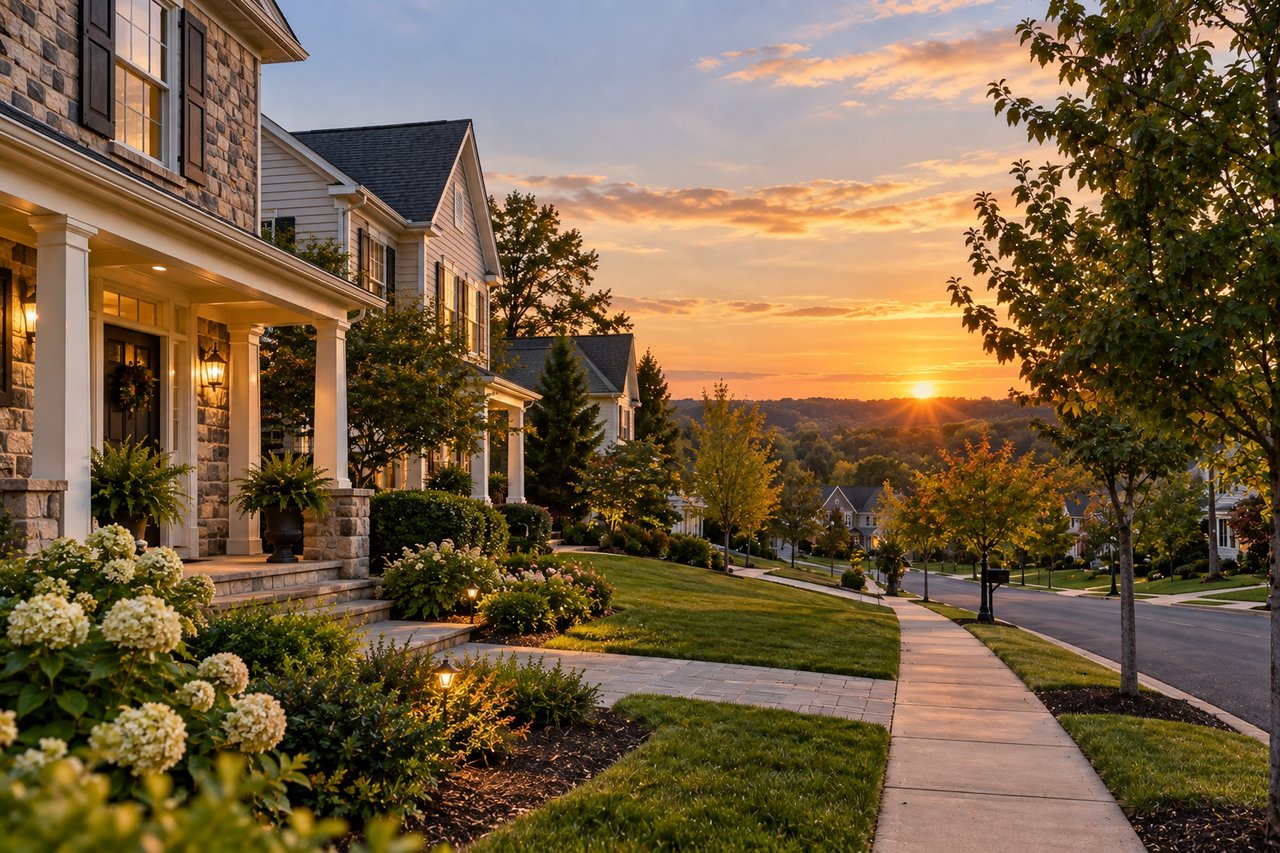
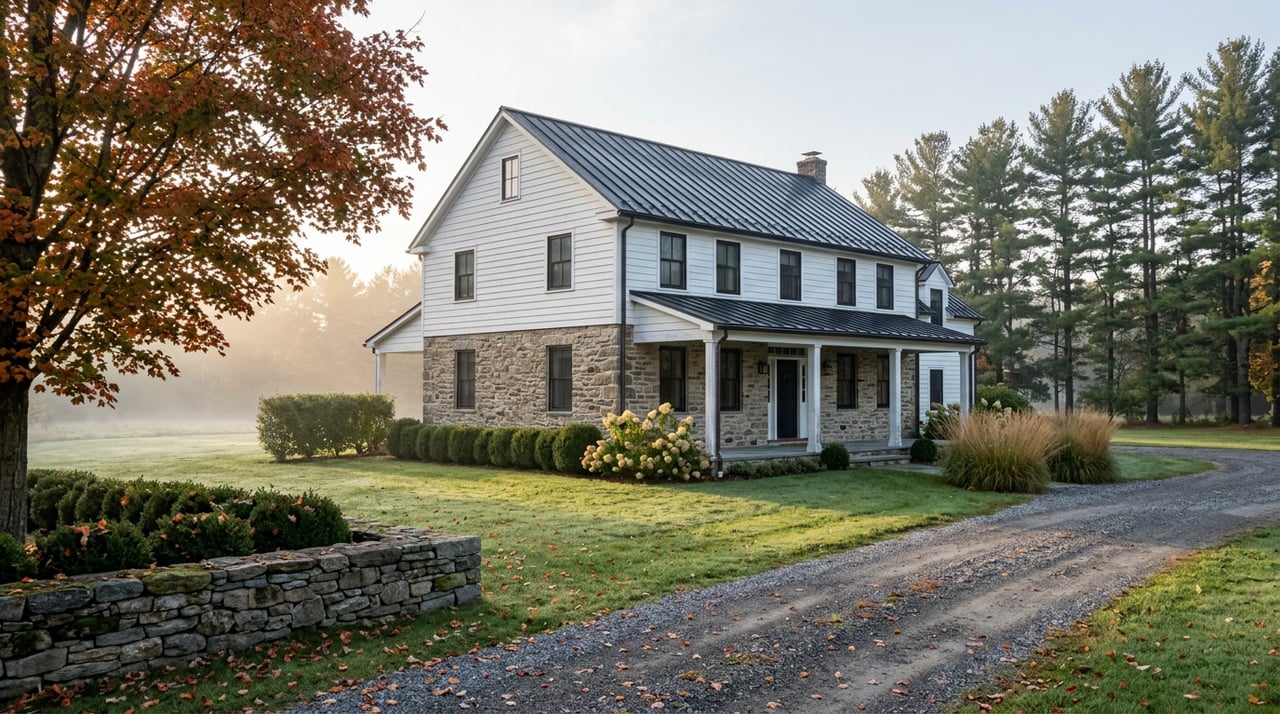
Doylestown's charm is largely a function of its age. Stone farmhouses, Victorian and Federal homes on streets like Pine and Ashland, and the older sections of both the Borough and Township carry the housing stock the town is known for. That same age is what shows up in a private inspection report as a list of systems that predate the house's current owner by several decades.
Homes built before 1950 in this part of Bucks County often still carry original knob-and-tube electrical wiring, a two-wire ungrounded system that was standard through the early 1940s and lingered into some early-1950s construction. It wasn't designed for a modern kitchen's appliance load, let alone central air and a house full of electronics. The wiring itself isn't automatically dangerous, but many homeowners insurance carriers in Pennsylvania won't write a new policy on a home with active knob-and-tube in use, which means this single line item in an inspection report can affect a closing timeline as much as a to-do list.
Galvanized plumbing shows up just as often. These pipes corrode from the inside out, and the first sign is usually low water pressure or discolored water rather than a visible leak, meaning the problem is often already underway by the time anyone notices. Lath-and-plaster walls, common in the borough's older stock, are brittle and slower to open than modern drywall, which adds time to any renovation that touches them. And in the borough specifically, stone foundation homes often show some degree of settlement after a century or more, leaving walls and floors out of plumb in ways that affect anything from cabinet installation to how well new doors sit.
None of this makes an older Doylestown home a bad buy. It makes it a different kind of buy, one where the inspection report is a budgeting document as much as a safety check.
Atlas Design & Build, a firm that works regularly in both Doylestown Borough and Doylestown Township, publishes a local cost guide that puts real numbers against these findings rather than national averages that don't reflect Philadelphia-suburb labor and material costs. A new appliance package, under-cabinet lighting, or a dedicated circuit for a kitchen island in a home still running on knob-and-tube typically requires an electrical service upgrade, adding $5,000 to $15,000 depending on the extent of the work and the condition of the existing panel. A kitchen remodel in an older Doylestown home runs from roughly $35,000 for a focused refresh up to $275,000 or more for a full renovation involving structural changes, a range wide enough that the age-related conditions above are usually what separates the low end from the high end.
These aren't quotes, and every house is different. But they're planning benchmarks built from actual projects in this specific market, which is a more useful number to carry into an offer than a generic national estimate.
Doylestown's market doesn't leave much room to sort this out after the fact. Public listing data for the three months ending August 2026 put the median sale price at $657,000, down 7.5 percent from the same period a year earlier, with homes fielding roughly five offers on average and going under contract in about 36 days. A market moving that fast rewards buyers and sellers who understand both processes before they're mid-transaction, not after.
A seller who waits until an offer is signed to apply for the borough's Occupancy Certificate is adding a municipal process to an already tight timeline. A buyer who waits until the inspection report lands to ask their insurance carrier about active knob-and-tube is doing the same thing from the other side. Both processes can run in parallel with the rest of the closing if they start early. Neither one waits politely for the other.
The historic district adds one more layer worth understanding before you buy, because it determines what you're allowed to change later and who signs off on it. Doylestown Borough's Historic and Architectural Review Board has nine members appointed to three-year terms, and it reviews exterior building changes, additions, new construction, demolition, and signs within the designated Historic District. Notably, the board does not regulate painting. Doylestown Township runs a parallel but separately administered process: its Board of Historical Architectural Review has seven members, including a registered architect, a licensed real estate broker, and the township's building inspector, and it reviews the same categories of exterior work under its own historic district ordinance.
In both jurisdictions, interior work like a kitchen remodel is generally exempt from historic review unless it involves adding windows to an exterior wall or otherwise changes something visible from the street. Cosmetic-only work, replacing countertops or a backsplash without touching electrical, plumbing, or structure, typically doesn't require a permit at all. Once a project does touch those systems, though, it needs a permit from whichever municipality the address falls under, and the two offices don't share a clock. Borough permit review for a kitchen project involving plumbing and electrical changes typically runs two to four weeks. Anyone buying near the borough and township line should confirm which office their address reports to before assuming a renovation timeline.
Does the borough's Occupancy Certificate replace my private home inspection? No. The borough is explicit that its site inspection covers basic safety and property maintenance code compliance and is not a substitute for a private inspection. Buyers should still schedule their own inspection regardless of what the municipal process requires.
Can a mortgage or insurance company really deny coverage over knob-and-tube wiring? Many homeowners insurance carriers in Pennsylvania decline to write new policies on homes with active knob-and-tube wiring. This doesn't always kill a deal, but it can require electrical work to be scheduled before or shortly after closing, and it's worth raising with a lender and insurer early rather than after the inspection report arrives.
Do I need a permit for a kitchen remodel that doesn't touch the exterior? Generally, yes, if the work involves changes to electrical, plumbing, or structure, regardless of whether it's visible from the street. Cosmetic-only updates that don't touch those systems typically don't require one. Which municipal office issues that permit, borough or township, depends on the property's address.
Buying or selling an older home in Doylestown means working through two inspection processes and, if a historic district applies, two possible review boards, not one of each. Steven Dome brings a background in architectural fabrication and hands-on renovation experience to exactly this kind of property, reading condition and potential the way a builder would before a buyer ever writes an offer. If you're weighing a pre-1950 home in Doylestown Borough or Township, Let's Connect.
October 1, 2026
September 24, 2026
September 24, 2026
September 24, 2026
September 24, 2026
September 24, 2026
September 24, 2026
September 17, 2026
September 17, 2026
Get assistance in determining current property value, crafting a competitive offer, writing and negotiating a contract, and much more. Contact me today.
Contact me to learn more.

550 Union Square Drive New Hope, PA 18938